


Kanyakumari is often left as a footnote in the itinerary of larger Thiruvananthapuram-Kovalam or Rameswaram-Madurai tour packages, with guests spending only a day or two in the city. Usually, on these trips, guests are hurriedly shuttled to a select few temples before being dropped off at Kanyakumari town for the ubiquitous sunrise and sunset. But there’s so much more to Kanyakumari than its sobriquet of being mainland India’s southernmost point.
We’re blessed beyond measure by nature with mountains, beaches, lush green forests, and hidden cascades deep in the jungles of the Western Ghats. The scenic landscape has attracted travellers, Jain and Buddhist monks, yogis, sages, and saints, who helped inspire Kanyakumari’s cultural landscape. They have helped establish cave temples, learning centres, and crafts that are now part of Kanyakumari’s identity.
Our beautiful coastal city is perfect for offbeat vacations, offering glimpses of untouched nature and authentic culture that you can hardly ever experience in a typical tour package. We’ve included three unusual experiences that are part of Kanyakumari heritage but away from the tourist buzz.
But Before We Move On To That Topic….
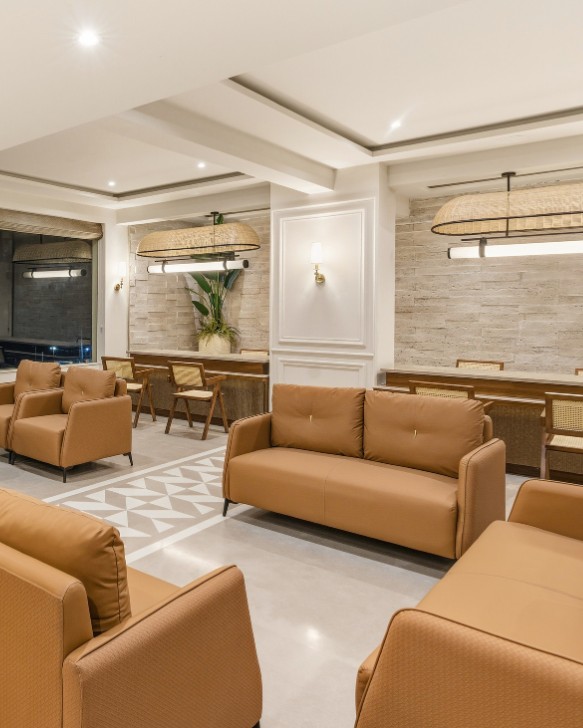
Any vacation is only as good as the accommodation you choose. If you are looking for comfortable yet cosy Kanyakumari resorts near the beach, Amaari is your best bet. With unending ocean vistas and mesmerising sunrise/sunset views, we promise to make your vacation a one-of-a-kind holiday experience. The clean and well-furnished rooms with plush interiors, premium bedding, and high-end toiletries only add to your comfort, making us one of the best beachside resorts in Kanyakumari.
The rooftop lounge with unending ocean views, fine dining experience, wellness centre and gym, and swimming pool elevates your stay, helping you make the most of your vacation. Call us at +91 8825466315 to learn more about our premium ocean view rooms at the Amaari Resort in Kanyakumari.
Trekking
At the tail end of the Western Ghats, the hills of Kanyakumari offer diverse trails, allowing trekkers to explore untouched tropical forests that are home to various endemic flora and fauna. You don’t have to be an expert trekker to explore these trails the varied terrain caters to different skill levels without compromising on stunning viewpoints of the unending ocean, windmills, and beautiful valleys.
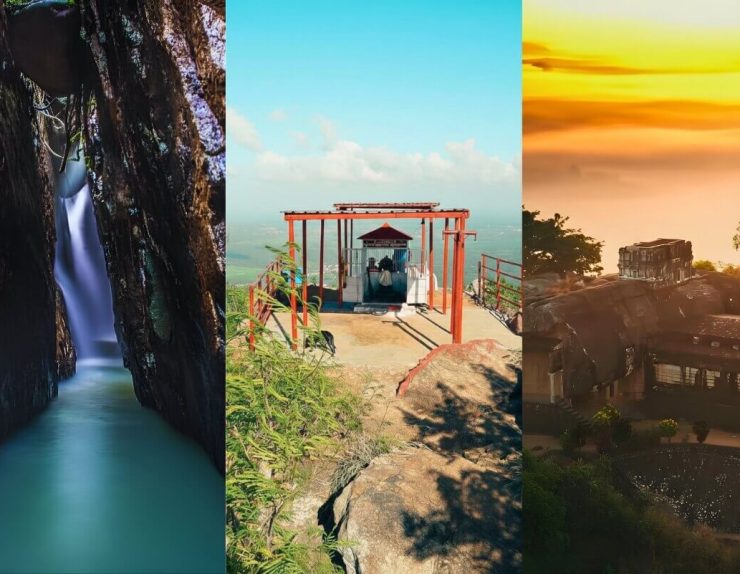
Some of the popular trekking trails in the district include:
Maruthuvazh Malai Trek
There’s no doubt that the sunrise and sunset views from Kanyakumari are mesmerising. But they’re often crowded and very touristy. If you’re looking for a magical sunrise view, you must hike up the Maruthuvazh Malai. Loosely translated as “The Medicinal Mountain,” this towering peak is associated with the epic Ramayana. Legend has it that when Hanuman was carrying the Sanjeevani mountain to Lanka, a piece of it fell where Maruthuvazh Malai now stands. The hundreds of rare medicinal herbs and plants found here are cited as proof.
Where:
To reach the base of this trek, you must take a diversion from Pothayadi village on the Nagercoil -Kanyakumari Highway. If you’re a solo traveller, look for the Sai Baba Temple on the highway and ask for help from locals who will guide you to the base.
Height:
800 feet
Why Maruthuvazh Malai:
The scenic view from the top is worth the effort. On the eastern side, you can see Asia’s largest windmill farm in Aralvaimozhi, while on the western side, you can enjoy unending views of the ocean. On a clear day, you can spot neighbouring attractions like the Vivekananda Memorial, Thiruvalluvar Statue, Suchindrum Temple and even the Kundankulam Nuclear Plant. Don’t miss meditating at the cave where the famous 19th century social reformer Sri Narayana Guru is said to have meditated and attained enlightenment.
Chekkargiri Trail
The Chekkagiri Trail is near Aralvaimozhi, a small village about 25 km from Nagercoil on the Nagercoil – Tirunelveli Highway. It is a popular trail among devotees of Lord Muruga who visit the temple on the summit. The hill is also called Siddargiri because of the many Siddhars, ancient Tamil ascetics who meditated here and even used some of the rare plants to formulate medicines. In the days of yore, Chekkargiri served as a watchtower where guards stood watch for invaders.
Where:
The base of this trek starts at Thovalai at the end of the village. As you pass the Nagercoil – Tirunelveli Highway, take a diversion till you reach a small temple. You can ask the locals for directions to the base of the hill.
Why Chekkargiri:
This is one of the easiest trails suitable for everyone, including kids and able-bodied seniors. There is a beautiful Murugan temple at the summit. The view from the top is gorgeous with vast swathes of windmills to the north, the Kudankulam Nuclear Reactor to the northeast, and the surrounding hills to the east.
Valli Chunai Trail
This beautiful trek is perfect for nature lovers and trekking enthusiasts. However, we do not suggest Valli Chunai for a family trip. Located near Kumarakovil, about 14 km from Nagercoil, Valli Chunai is known for its beautiful waterfalls flowing between massive boulders. It is a moderately challenging trek with steep slopes and dense forest. The place is named after Valli, the consort of Lord Murugan. Since Valli was a princess from the Koravan community, the Koravans came here to commemorate her marriage to Murugan. The locals believed that they married here, and Valli used to bathe here in the spring (Chunai) – hence the name, Valli Chunai.
Where:
To reach Valli Chunai, you must get to the Noorul Islam University, near Kumarakovil. Take the road adjacent to the college that goes uphill and along the Padmanabhapuram -Puthanar Canal. You can ride a bike for a short distance until you reach the Valli Kugai Vinayagar Temple, from where your trail actually starts.
Why Valli Chunai:
The view from the top is stunning, especially of the surrounding Velimalai, which is the southern tip of the Western Ghats. But the highlight of the trek is the small waterfall within a cave. To reach the waterfall, one must wade through a narrow path between two boulders from which water flows continuously. The trail is equally interesting, with private coconut farms and fruit orchards.
Not very far from Valli Chunai is the Marunthu Kottai trail. This beautiful hilltop is famous for an ancient fort built in the 18th century by Bala Marthanda Varma, which was used to store gunpowder. The view from the summit of the surrounding hills and plains is mesmerising.
Chitharal Trail
The Chitharal Jain temple was once home to Samanar monks who settled here during the 1st century BCE. The monument is home to rock-cut sculptures, mandap, and sanctums dedicated to Mahavir and Parshavnath. You will also find a temple dedicated to Goddess Bhagavathi, probably built in the 13th century over the Jain cave temples.
Where:
To reach the base of the trek, one must reach Chitharal Village, about 30 km from Nagercoil. There are plenty of signboards put up by the ASI, along with stone benches along the trail.
Why Chitharal:
Chitharal is famous for its Jain monuments and the beautiful view from the summit, offering a panoramic view of the surrounding hills.
Kalikesam – Maramalai Trail
Kalikesam is a scenic spot within the Kanyakumari Wildlife Sanctuary, surrounded by lush shola forests that provide habitat for some of the Western Ghats’ rare and endemic flora and fauna. The place gets its name from a Kali temple, from where the trail begins. You will walk through river crossings and wind through plantations perfumed with the smell of cloves, cardamom and other spices.
Where:
To reach Kalikesam, one must first start in Nagercoil and head to Bhootapandi or Keeriparai. From there, you can take a private taxi or ride a government bus (less frequent) to the forest checkpost, beyond which you must walk along the trail till Maramalai. This small enclave is part of the Kalakkad Mundanthurai Tiger Reserve and surrounded by dense forests.
Why Kalikesam Trek:
The entire trail covers 12 km and lasts around 5 hours, passing through beautiful deciduous forests and is accompanied by a guide from the forest department who will help you understand the flora and fauna you see along the way.
Injikadavu Trail
Located near Palkulam, Injikadavu is the base for a scenic trek that traverses dry deciduous, moist evergreen, and grassland ecosystems. The trek covers about 18 km and takes about 7 hours, but offers excellent insight into Kanyakumari’s rich biodiversity. You will learn about the many endemic animals and plants, including the Nilgiri langurs, orange minivets, and wild boars.
Kalikesam Balamore Estate Trail
This popular trail, organised by the forest department, traverses spice-scented plantations of coffee, cardamom, clove, pepper, and nutmeg. The trek starts relatively easy and leads trekkers deep into the forests, where you will encounter endemic birds such as Malabar parakeets and drongos, as well as rare butterflies. It ends at Balamore Estate, which is part of the Muthukulivayal grassland and famous for its spice plantations.
Where:
Your trek starts from Kalikesam, a forest area within the Kanyakumari Wildlife Sanctuary and is accompanied by a forest department guide who will educate you throughout the trail.
Why Balamore Estate:
The highlight of the trail is the interaction with Kani tribesmen who have lived here for hundreds of years, with a treasure trove of information on medicinal plants of the Western Ghats. Besides the many flora and fauna, you will learn about the shola grasslands of the area. The view of the Pechiparai Reservoir from the top is also worth the visit. You can also check the
Upper Kodayar Reservoir from Balamore.
FAQs
1. Can you explore these trails on your own?
Some of these treks, like Maruthuvazh Malai and Chekkargiri, can be hiked on your own. However, trails through Western Ghats forests must be trekked with prior permission from the forest department. If you plan to take these treks, we suggest that you inform us in advance. As one of the best Kanyakumari resorts near the beach, we can guide you to expert camping companies that specialise in arranging these trails.
2. What is the best time for trekking?
While November to February is peak trekking season, you can trek all year round, except during the monsoon when most trails are closed due to heavy rain. But your experience on the trek may vary depending on the season. For instance, January to March is the clove-flowering season, and the flowers’ fragrance can be enticing. But if you are interested in elephant watching, April to May is a good time, especially in Kalikesam, as these pachyderms visit the streams during the hot summer months. And if you visit during the northwest monsoon season, expect the waterfalls in their complete glory.
3. What are the highlights of a trekking experience in Kanyakumari?
Your trekking experience varies depending on the trail you choose. For instance, trails within the Kanyakumari Wildlife Sanctuary are perfect for trekking enthusiasts and nature lovers eager to learn more about the native flora and fauna of the Western Ghats. You will also interact with the local Kani and Koravar tribes of the forests.
Exploring Hidden Waterfalls in Kanyakumari
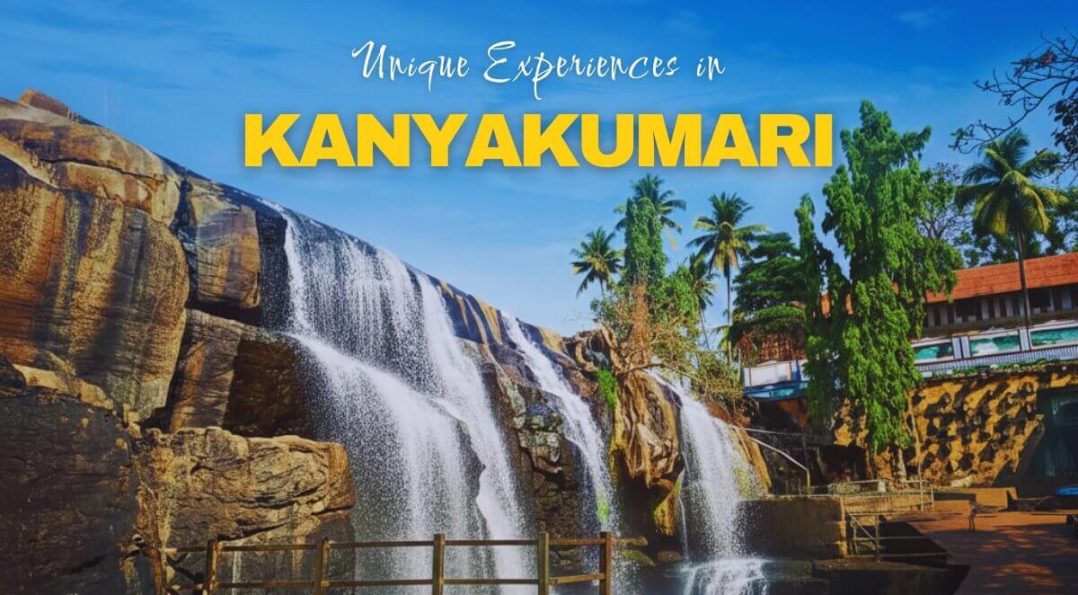
The dense, hilly forests of Kanyakumari are the source of several significant rivers, including the Paraliyar, Kodayar, Kuzhithuraiyar, Chittar, and Valliyar. These rivers cascade through rocky terrains, with the flow enhanced in some regions through dams. The dense forests are also abundant with streams that feed into the rivers, forming numerous waterfalls along the way. While some, like Thiruparappu, are well known and visited by tourists, others, like Ulakkai Aruvi and Valli Chunai, are known only to the locals. Some are so remote and not known to anyone except the local tribes and forest officials.
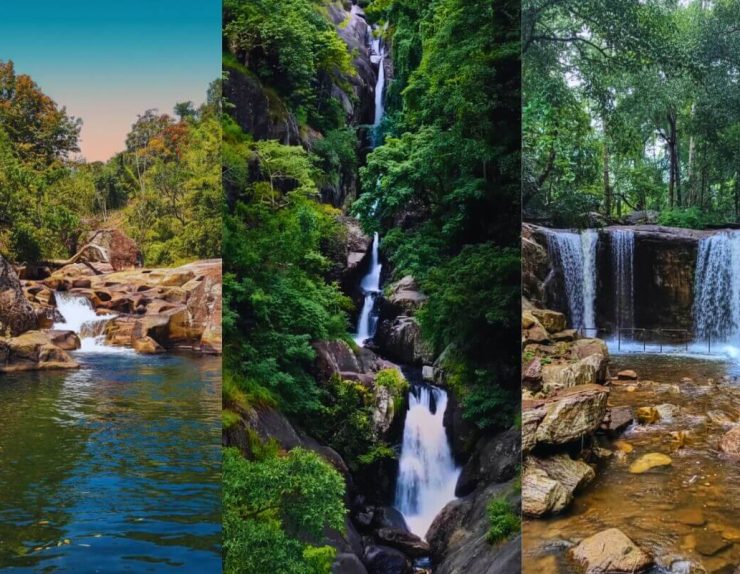
Ulakkai or Olakkay Aruvi gets its name from the pestle-like shape of the water streaming from the mountains, with Olakkay meaning pestle in Tamil. It is part of the Asambu Reserve Forest, within the Kanyakumari Wildlife Sanctuary, and a biodiversity hotspot with hundreds of endemic species, including 28 threatened plant species and birds such as the Malabar grey hornbill and several varieties of kingfishers. There’s also a Murugan temple with idols of Agasthiyar and other Sithars (Tamil sages) in the vicinity. To reach the waterfalls, one must travel to Azhagiapandipuram village, from where you can drive to Thoovachi, after which you need to trek for around 4 km on a bumpy, forested path. The best time to visit the waterfalls is from October to March, when the water flow is strong and the weather is pleasant.
Peruchilambu is a small village near Kumarapuram and about 12 km from Nagercoil. This beautiful village is surrounded by plantations and is known for its scenic greenery. The town is also home to a pristine stream and a check dam further down the road. The sand and mineral deposits on the stream give the water a bluish tinge during the day.
The Kodayar Twin Falls are nestled deep in the Thiruvattar forests within the Veerapuli Reserve Forest. The waterfall gets its name from the two streams that fall simultaneously from over 200 feet. The cascades are about 20 km from Nagercoil and are known for their breathtaking scenery.
If your idea of a quaint picnic involves spending time beside a waterbody and enjoying the beautiful scenery, you must check Mukkadal, near Thuvarangadu, about 10 km from Nagercoil.
Kalikesam is a popular waterfall within the Veerapuli Reserve Forest. The way to the falls is equally scenic and surrounded by rubber plantations. You can start at the Kali temple and head up into the forest, looking for scenic water spots. Don’t forget to click pictures of the rare birds enroute.
Some of the other lesser-known but equally fascinating falls in the region include Karumparai, Suruli, and the Kumaracoil Mini Falls.
FAQs:
1. Is access to the Kanyakumari waterfalls easy?
Except for Thiruparappu, access to most waterfalls in Kanyakumari is difficult because they are deep in the forests. You need proper permission from the forest department, although you can visit Kalikesam without prior consent. However, entry is restricted, especially during the summer, when elephants come downstream to drink water, and during the monsoon, when flash floods from unexpected heavy rains can pose hazards.
2. How to visit these waterfalls?
You can either contact the forest department or the nearest forest ranger for permission. If you plan to visit any of these waterfalls, please inform us in advance. At the Amaari Resort on Kanyakumari Beach, we can connect you with travel experts who can help you visit these spots.
Food Tour
Food in Kanyakumari is very different from the rest of Tamil Nadu. The region is called Nanjil Nadu, referring to the vast swathes of fertile land suitable for paddy cultivation. In fact, the area was once the rice bowl of the Travancore Kingdom, thanks to the abundant water sources and rich soil. Nanjil Nadu cuisine is characterised by its Kerala influences, with coconut used as oil, milk, and as a paste to create a masala base. Grated coconut is added to stir-fry vegetables to make Thoran. Some of Kerala’s iconic dishes, like Avial, Theeyal, and Puzhissery, are commonly found in everyday Nanjil Nadu cuisine.
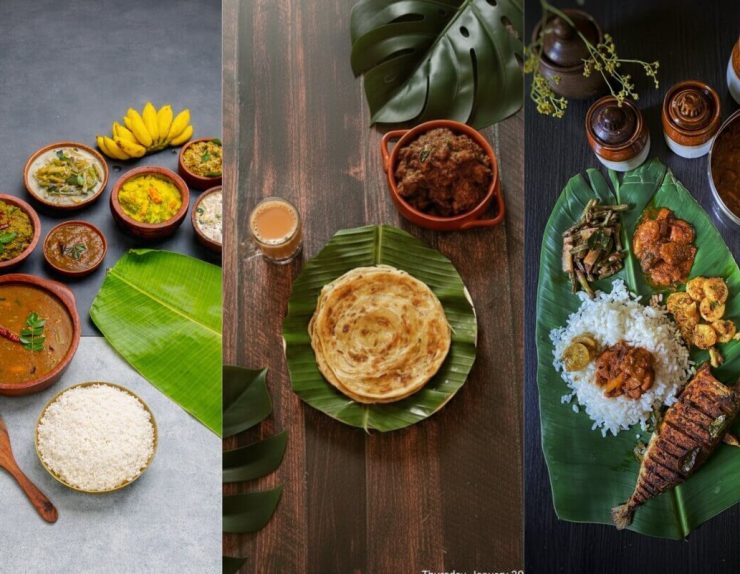
But what makes Kanyakumari food so special is its seafood specialities. It is not uncommon for a local to eat fish six days in a row and feast on dry fish on Sundays – the latter is dry fish day because fisherfolk do not venture into the sea on Sunday. Other non-vegetarian options, such as mutton, poultry, and beef, are staples in well-to-do families.
Another unique feature of Kanyakumari cuisine is the lack of taboos around certain foods, such as beef. In fact, beef and parotta are common street foods in the region.
Some of the popular foods you must try in our city include:
Vegetarian Sadhya:
This is best enjoyed at a wedding, but since that is next to impossible, we suggest you visit one of the many vegetarian hotels in Kanyakumari. You will be served an array of dishes, including 7-8 pickle-like side dishes called kichadi or pachadi, based on the colour. For instance, curd-based side dishes are called kichadi and tamarind (or any other souring agent) based side dishes are called kichadi. Other popular side dishes include Olan, Avial, Thuvatal, Errisery, and Papadam. There’s an order in which these side dishes are served. Gravies like Parippu, Sambhar, and Puzhisseri are served in that order, followed by at least 3 different types of Kheer, called Pradhaman, and then concluded with Rasam or Spiced Buttermilk, called Sambaram.
Parotta:
This is a staple street food across Tamil Nadu, but served with Kerala-style side dishes in Kanyakumari. You can also eat it with a side of beef gravy.
FAQs:
1. What are some snacks that you can buy in Nagercoil?
Kanyakumari is famous for its Nendran Chips or plantain chips. Other favourites include jackfruit and tapioca chips. Evenings are perfect for Pazhampori or Parippu Vada and black tea or Chukku Kaapi.
2. Where to buy snacks in Kanyakumari?
There are several places selling authentic and freshly made chips. Some famous places include Rajalakshmi Sweets and several street stalls at Kanyakumari Beach selling chips in coconut oil.
3. Can you sample local food at your restaurant?
At the Cove House, our in-house restaurant, we serve a range of cuisines, including local specialities, especially seafood. If you’d like to try a particular dish, let us know in advance or when booking at our beachside resort in Kanyakumari.
Visit our website to book your ocean-view room at one of the best resorts in Kanyakumari. For the latest updates, follow our Amaari Beach Resort official Instagram page.